
The History of Tererê
The History and Evolution of Tererê
Tererê is a traditional South American beverage made from "erva-mate (Ilex paraguariensis)"" and cold water. It has deep cultural roots, particularly in Paraguay, Brazil, Argentina, and Bolivia, where it is enjoyed as a refreshing alternative to "chimarrão", which is prepared with hot water. Over the centuries, tererê has evolved from an indigenous practice to a widely recognized cultural symbol.
Origins: Indigenous Beginnings
The origins of tererê trace back to the Guarani indigenous people, who inhabited regions of present-day Paraguay, Brazil, and Argentina. The Guarani used "erva-mate" for medicinal and social purposes, consuming it in various forms, including infusions. Unlike chimarrão, which requires hot water, tererê was traditionally prepared with cold water, making it more suitable for the warm climate of the region.
During the Spanish colonization of South America in the 16th century, European settlers observed the indigenous practice of drinking "erva-mate" and adopted it. The Jesuits, who established missions among the "Guarani", played a significant role in spreading the consumption of mate-based beverages, including tererê.
Expansion and Cultural Significance
By the 19th and 20th centuries, tererê had become a staple drink in Paraguay and parts of Brazil, particularly in "Mato Grosso do Sul", where it remains a cultural icon. The beverage gained popularity among soldiers during the Paraguayan War (1864–1870), as it provided hydration and energy without requiring heated water, which was often scarce in battle conditions.
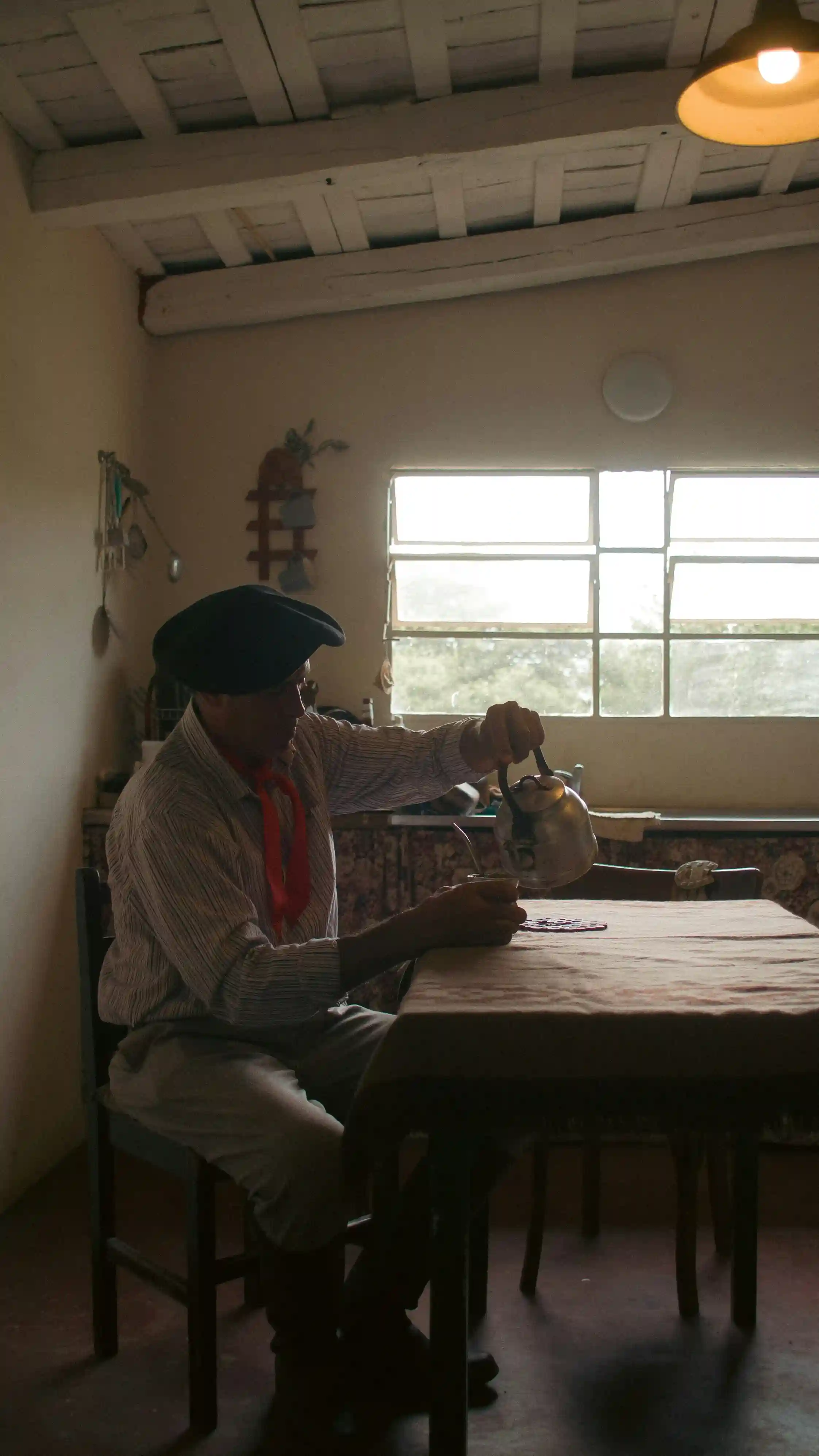
Over time, tererê became more than just a drink—it became a symbol of hospitality, friendship, and social gatherings. In Paraguay, it is common to see groups of people sharing tererê in public spaces, reinforcing its role as a communal tradition.
Modern Evolution and Global Recognition
In recent decades, tererê has undergone several transformations:
- Flavor Enhancements: Traditionally consumed with plain cold water, modern variations include fruit juices, herbs, and even flavored ice to enhance the taste.
- Commercialization: The production and sale of pre-packaged erva-mate for tererê have expanded, making it more accessible beyond South America.
- UNESCO Recognition: In 2020, UNESCO declared tererê an Intangible Cultural Heritage of Humanity, acknowledging its historical and cultural significance.
- National Tererê Day: Paraguay celebrates National Tererê Day every last Saturday of February, reinforcing its importance in Paraguayan identity.
Tererê Today
Today, tererê continues to thrive as a cultural tradition and social activity. It is widely consumed in South America, with growing interest in other regions due to its health benefits and refreshing qualities. The beverage remains a symbol of unity, connecting generations through a shared appreciation for its rich history.
 >
>